
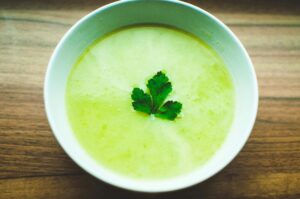
 This recipe is an adaptation of one I first made about 30 years ago (in my vegan days) from The American Vegetarian Cookbook from the Fit for Life Kitchen by Marilyn Diamond. Better hot but also good cold IMO!
There have been many incarnations of this soup in my life, including as a staple at the health food deli where I worked–along with a catering job–to finance an 8-week trip to an ashram in India (that, my friends, is a story for another time.)
Lately I’ve simplified the soup to the bare bones for a quick and delicious low allergen side dish. Sometimes I have this with a side of tempeh, sometimes chicken, and it’s a really great side with salmon.
(more…)

 Self-help is now estimated to be a $10 billion dollar industry. Everyone is looking for answers to how to find better health, greater resilience, and peace of mind.
We lose and gain the same 20 pounds over and over on the newest fad diets, buy online programs, quit our day jobs, do detoxes, watch Oprah and Dr Oz, and put on a pedestal anyone who claims to have the answer.
Each new approach that hits the media is the new holy-grail that people flock to, hoping they’ve finally found the answer they’ve been looking for.
- Is it a diet? Gluten-free? Veganism? Paleo? Keto?
- Or is it an exercise plan? Cross fit? The 7-minute workout? Yoga or Pilates? Yogilates?
- Or maybe it’s the supplement of the moment? Green coffee bean extract? Antioxidants? Vitamin D?
- Perhaps it’s a medical syndrome? Thyroid disorder? Adrenal fatigue? Candida?
It is rare for a day to go by without at least one patient bringing me in a printout or handout from the web explaining that her symptoms are indicative of a particular condition. Don’t get me wrong, I support people doing their own research and participating in their own health care (and no one knows your body better than you do) but there are so many unqualified practitioners who specialize in ‘hormone balance’ or ‘detoxes’ or some other answer, that too many people are getting the short end of the stick expecting to follow a formulaic approach and feel their best.
After 20 years in my integrative primary care practice the one thing I know with complete and utter certainty is that there is no one answer.
Think about it like this:
Your genetic structure is unique
Your past is unique
Your stresses are unique
Your responsibilities are unique
And your values are unique
So shouldn’t your diet, your lifestyle, and your medical care be unique?
It’s a simple answer. Yes, they should.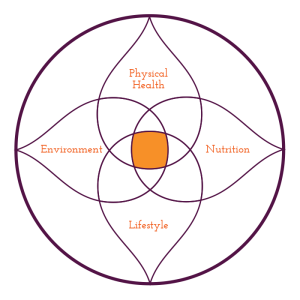
For each and every person there is a sweet spot of non-negotiables and choices that make up the foundation for what you need to feel your best. Finding that sweet spot is easier than you might think.
What if you were given the tools to find that sweet spot? To understand and assess which things you needed to focus on as an individual that would make the biggest impact on your health and well being?
There is more about all of this in my book Overcoming Overwhelm: Dismantle Your Stress from the Inside Out. And will be writing more posts about it in the near future.
Yours in health,


 Meat Muffins: Gluten and dairy free meaty goodness.

A patient recently told me she made up a recipe for “buffaluffins.” Buffalo meat muffins. Brilliant, I thought. And look what was sitting in my fridge- a pound of grass fed grass finished beef waiting to be made into burgers. Forget it! Muffins it is.
They were good. Not great. I tweaked the recipe a bit to add more veggies and took out a few things I threw in there that didn’t work (flax seeds for one- not sure what I was thinking.)
This recipe includes quinoa as an option, which I usually make it the night before so it will be cool for mixing into the meatloaf. Here is a great link for instructions on cooking it. I take a simpler approach and just go 2:1 with water to quinoa but her instructions lead to a much yummier result.
Ingredients
- 1 lb grass fed/grass finished ground beef
- 1-2 TBSP olive oil

- 1 medium onion: minced
- 2 medium or one large carrot: minced
- 4-5 cups of chard cut into tiny strips- packed tightly into measuring cup, or spinach same as chard or frozen
- 1 cup cooked quinoa (optional)
- 2 eggs lightly beaten
- 2 TBSP tomato paste
- ¼ tsp salt
- pepper grinder with whole pepper

Instructions
- If you haven’t cooked quinoa, do so now. See above.
- While quinoa is cooking heat 1 TBSP oil in sauté pan over medium heat. Once hot add minced onion. Sauté about 5 minutes or until onion is soft and starting to brown. Add carrots. Cook until just soft. Add chard and cook until soft. Please note at any time if you need a little more olive oil, feel free to add it.
- Remove from heat and put in large bowl to cool. When it’s slightly cool add quinoa, tomato paste, egg, salt and a few turns of pepper to the bowl. Mix well. I use my hands (make sure to clean up well though…raw meat and all.)
- Add meat. Mix.
- Add egg. Mix.
- Roll into balls and drop into muffin tin. You can use cupcake liners or not. This recipe made 7 muffins for me.
- Cook 15-20 min until cooked through.
You can serve with red sauce or ketchup. Remember, just because there are veggies in your main dish doesn’t mean it’s not a good idea to have a side veggie! The more the merrier. I like to serve this with with sautéed spinach or kale with a pinch of salt.
Enjoy!


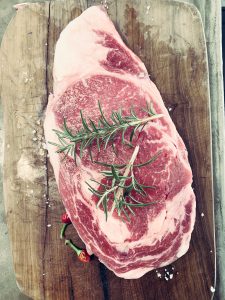
Do you eat meat but don’t want to eat animals that have been fed hormones? Or do you have concern about poor quality meat? Perhaps you don’t want to eat animals that haven’t been treated well or who have been raised on factory farms? These are concerns that many people have about buying healthy beef for themselves and their families.
It’s so common for my patients to not have beef as a part their diet because of all of these concerns. And sometimes people haven’t even given thought to where beef comes from and what all of the labels they see even mean. Organic. Certified Organic. Cage-Free. Natural. Grass-Fed. Humanely-Raised. Grass-Finished. Pasture-Raised. Sustainably-Caught. Free-Range.
Before we dive in, let me say that the point here is not to convince you to eat beef, or to make a statement about those who choose not to. However, for those of us who do eat beef, it’s important to be conscious about what it is we’re actually eating (I have a post here about vegetarian diets vs omnivorous diets.)
What cattle are fed
Conventionally raised cows are grain-fed (mainly soybeans and corn) because it is inexpensive and fattens them up quickly. 100% grass-fed cows forage from birth to harvest on the prairie/range/pasture and eat grass and other plants they come across (with exception of mother’s milk and hay, clover, alfalfa, etc. during inclement weather or low forage). Beef can be labeled “grass-finished” which can mean that they were grain-fed for the majority of their time and then they got to eat some grass toward the end. To add to the confusion, cattle can also be “grass-fed”, but then grain-fed for the last bit of time to fatten them up. For the sake of this post, all comparisons are grain-fed vs 100% grass-fed. More later on how to sort through the labeling craziness.

It’s basically a “you are what you eat” scenario. Let’s first look at fats since this is usually what people worry about with regard to beef. The fat proportion is about the same between grain-fed and grass-fed meaning that the percentage from saturated vs monounsaturated vs polyunsaturated fats is the same. The difference (and an important one at that) is in those polyunsaturated fatty acids (PUFA), in particular the omega-3 and omega-6s.
The standard American diet typically has plenty of pro-inflammatory omega-6 but not enough anti-inflammatory omega-3s to create a healthy ratio. The current findings are that grass-fed and grain-fed have pretty much the same amount of omega-6 so if you are not able to buy grass-fed healthy beef you can rest assured that you are not adding any more omega-6s than you would with grass-fed. Grass-fed beef has 2-5 times more omega-3s depending on breed and particular diet of the cow.
Under the umbrella of saturated fats are stearic acid, palmitic acid and myristic acid. Grass-fed meat has more stearic acid which does not raise blood cholesterol levels. And a higher stearic acid means less of the cholesterol- elevating palmitic and myristic fatty acids. Another important PUFA is conjugated linoleic acid (CLA). CLA has strong antioxidant activity which may be protective against heart disease, diabetes and cancer. It is naturally found in meat products and milk from cows (and sheep and goats). Grass-fed beef has an average of 2-3 times more CLA than grain-fed.
Grasses have more vitamins, minerals, and antioxidants than do grains so the animals that eat more grass will have more of these nutrients in their tissues. Grass has a lot of carotenoids (the precursor to vitamin A) whereas grains have none. The carotenoids like beta-carotene, are taken into the tissues of the animal which gives the fat a yellowish color. So, if you are eating grass-fed beef for the first time and are thrown off by the color of the fat – it’s a good thing! The other antioxidants found in higher levels in grass-fed beef, vitamin E, glutathione and superoxide dismutase, protect the cells from oxidation (=damage), especially the fragile omega-3 and omega-6s. Additionally, vitamin E and beta-carotene work together to protect the meat during transportation from butcher to kitchen as well as from high heat cooking like grilling.
Hormones and pharmaceuticals in beef
Commercially raised beef is almost always fed bovine growth hormone as well as prophylactic (preventive) antibiotics. Many other countries have bannedthese practices and in fact, do not import beef from the US because of it. Additionally, I can’t help but believe that the high levels of stress hormone that these animals must produce from typical commercial farming practices (overcrowding, little light, fresh air, and lack of access to their natural diet) is unhealthy for those of us who eat meat.
Labeling laws
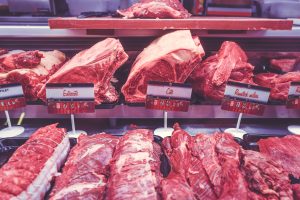
So, how do you know what to buy when faced with so many options? Here’s the deal
“Organic” does not mean pasture-raised or grass-fed. “Grass-fed” and “pasture-raised” are allowed by law to be used even if the animal spent little time outdoors. This is also allowed if fed a combo of grass and grains, including grass-finishing. Look for “100% grass-fed” or the USDA or similar certification. One hang-up with USDA standards is that a “grass-fed” animal can still be confined and/or fed antibiotics or hormones. Ugh! The American Grassfed Association (AGA) is an alternative organization that offers certification for grass-fed animal products. They certify based on what the animal eats which is 100% forage, that the animal is never treated with growth hormone or antibiotics, is treated humanely and that the environment has been protected. Read more about them here http://www.americangrassfed.org/. They also have a section for AGA producers so you can find a local source for grass-fed healthy beef.
Ethics
I wrote a post about ethics of commercial farming and meat eating here. I also wrote a piece for Well magazine on this topic as well. TL;DR I believe in the food chain and that humans are natural omnivores, but I don’t believe in torturing animals for our benefit. If people choose to not eat meat for ethical reasons, I support that 100%, but if the problem is commercial farming, there are many small farms across the country where animals are treated well. When I meet with patients and clients, I ask about how they feel about this issue. In the end people need to make decisions aligned with their own values…the only way to do this is to be aware of what you’re eating.
Where to buy?
Check out http://www.eatwild.com/ to find all sorts of information. They cite studies and other references for much of the above information (if you like to see studies, here is another. EatWild also lists stores, restaurants, farmers markets, cow share opportunities and ranches where you will find grass-fed beef. Because there are so many holes in labeling laws it is best to know your meat and, better yet, know your farmer. Many ranches will welcome you to visit and see their practices in action.
If you’re local to Porltand, here are some places around PDX to buy 100% grass-fed beef:
- Laurelhurst Market Butcher Shop: E. Burnside
- Chop Butchery: SE Portland
- Know Thy Food: SE Portland
- Flying Fish Company: SE Hawthorne
- Old Salt Marketplace: NE Portland (there is also a restaurant here…so good!)
- New Seasons Markets (only a few of their cuts are 100% grass fed so make sure to ask)
- Farmer’s Markets – Hillsdale, Interstate, Irvington, Hollywood, OHSU and PSU
- Buying Clubs (buy in bulk with others for the best value): Carman Ranch, Lents Food Buying Club
With all that said…
It is important to know that conventional beef is not going to give you and your family disease by eating it (perhaps if it were all you ate…) It’s just that 100% grass-fed is superior from health, environmental, and ethical perspectives.
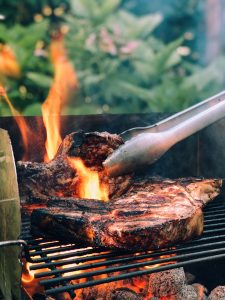
And..I understand that the reality is that grass-fed healthy beef is often more expensive and may not fit into everyone’s budget. There are a few ways to approach this: Buy conventional and know you are still getting good intake of protein and many bioavailable nutrients; consider the superior nutritional benefits of grass-fed and see that for the price you are getting more nutrition for your dollar; or buy in bulk. Often buying in quantity is most cost efficient. So, if you have a stand-alone freezer or can get one cheap then buy in quantity from a cow share or straight from the rancher and fill ‘er up.
Oh! If you are a beef-eater, but have not had grass-fed before I recommend taking a look at tips for cooking healthy beef. The AGA has some and probably a quick on-line search will present all you need. The meat does have a different taste than you might be used to. The cooking time is also going to be different because of the lower fat content and texture that comes with animals that are free to roam day in and day out. Make your grass-fed beef experience a delicious one!


This time of year can be a bear for self-care and stress levels. There are so many things to derail us during the holiday season. Gatherings. Sugar everywhere. Winter weather. Family. Tight finances. Parties. Commitments. Expectations. Oh, those expectations–expectations to do it all!
But we know what to do, right? It’s simple. Just follow all the advice on Facebook and Instagram. You know, those images with the words on them?
Exercise. Breathe. Do yoga. Meditate. Organize your life. Read self-help books. Nurture your spirit. Be present. Avoid sugar. Stretch. Don’t drink tap water. Don’t drink too much. Avoid toxic people. Be honest with yourself. Take breaks. Sleep more. Eat more protein. Don’t sweat the small stuff.
Sure, yes. All of those things. But then there’s reality. Here are some thoughts to help you figure out what it is that WILL work for you this holiday season (hint: it doesn’t involve doing it all).
Fact 1. It is impossible to do everything.
No matter how awesome you are. No matter how great you are at everything you touch, it is impossible to do everything. Every single one of us needs to prioritize that which is most important. And I mean really important. What are the important things for your health, your relationships, your energy? Who do you want to be, how do you want to show up? This leads us to fact 2.

Fact 2. There is no answer.
It’s easy to follow a program, a book, a dogma, for a week, a month, even a year. But what happens when you slack off of that? You’re back where you started and then some. You drink green juice every day then at some point you miss a day and *BOOM* you’re back to that extra cup of coffee and the only green thing you’re drinking is the old creamer from the back of the fridge. The bottom line is there is no right answer for the long haul. Your values, desires, and needs change. The trick is how to keep an eye on that and how do you determine what is right for you in any given moment?
Fact 3. Everyone has a sweet spot in life.
Life can get in the way of doing everything we need to do to feel our best. And regardless of this fact, we are responsible for what we choose in any moment. And if it isn’t choosing an action, it’s choosing a response, or an emotion.* In order need to get clear about how we want to feel so we can identify our non-negotiables, the things that need our attention the most. Those with the highest cost-benefit ratio.
I’m going to be diving into all of this in much more detail over then next few months with ideas about how you can drill down to the things that are most important.
In the meantime? Enjoy your holidays. Take care of yourself the best you can. And don’t give yourself a hard time for straying off the path a bit. You can’t fail at self-care, it’s an ever-changing, ever-moving, ever-evolving process. So if you need to, step back, get your eye on where you want to be, and reset. It’s all good.

In Health,
PS if you’re working on simplifying your life, decreasing overwhelm, or just taking care of yourself better (we can all use a little of that!) you can grab my book Overcoming Overwhelm: Dismantle Your Stress from the Inside Out on sale on Amazon for just over $10.


 If I had to pick one piece of nutritional advice to give it would be to make sure you’re getting enough protein. And although that amount varies from person to person, my experience is that most people do better with more protein, fewer carbs, and lots of high quality fat (avoiding trans-fats, and too much saturated fat or palm oil.)
So, let’s talk protein!
The CDC recommends a daily allowance (RDA) of protein based on age and gender. The following table is pulled directly from the CDC’s website.

| Recommended Daily Allowance for Protein | |
| Children ages 1 – 3 | 13 g |
| Children ages 4 – 8 | 19 g |
| Children ages 9 – 13 | 34 g |
| Girls ages 14 – 18 | 46 g |
| Boys ages 14 – 18 | 52 g |
| Women ages 19 – 70+ | 46 g |
| Men ages 19 – 70+ | 56 g |
But the CDC also says that 10-35% of daily calories should come from protein.
Here’s the math you should understand to get a grip on what exactly this means. Each gram of protein has 4 calories so if someone eats 1500 calories in a day 10% of that is 150 calories, which is 37.5 grams. On the other end of things 35% of that is 525 calories of protein, which is 131 grams. If someone eats 2000 calories a day those numbers increase to 50 grams and 175 grams. You’ll notice that the high end of this is significantly more than the amounts listed in the chart above for all age groups, and would easily be considered a high protein diet. This strikes me as odd, but far be it from me to take on the CDC.
When I queried a naturopathic practitioner group I’m in on Facebook, the lion’s share of my colleagues said they specifically follow the chart above. This surprised me greatly as most of the practitioners I know lean toward higher percentages of protein in the diet.
Other sources vary in the how they recommend protein.
- Zone diet: 30%
- Atkins diet: 25-30%
- Ornish diet: not specified but it is recommended that 80% of calories come from carbs which means closer to 10% protein at most.
- Paleo diet: not specified but protein should be part of every meal and every snack.
- Keto diet: 20% (with 75% fat)
Remember though, there is a catch with all of those numbers. Everyone has different needs. Some people have health issues that require more or less protein (for example diabetes, higher protein, kidney disease, less.) Some people feel much better on a higher protein diet. Some people have ethical issues with eating animal protein but need to avoid soy and gluten (the most concentrated sources of vegan protein and those used in most vegan protein substitute products.) Some people want to build muscle and lose fat. Some people are endurance runners.* And some people have a narrow range of what works for them and others have a great deal of flexibility.
 So where does that leave you?
 So where does that leave you?
If you don’t have any special circumstance, I would typically recommend falling in around the 30-35% range. If you’re not a numbers person, this will usually mean protein with each meal just over the size and thickness of the palm of your hand and some protein with your snacks. The benefit of this is that your blood sugar will be more stable, you’ll have less sugar in your system (carbohydrates all break down to sugar, even the good ones) and your energy is likely to be better and more even. If you are a numbers person I recommend tracking your food in MyFitnessPal.com. I have posted a tutorial on how to use it with ease here on YouTube.
But, you must keep in mind the quality of the protein you’re eating as well.
As for beef, commercially raised cows will have antibiotics and hormones fed to them, and will likely have been very stressed during their lifetime as well as during their slaughter. Even a free ranging cow, if she spends the last few weeks of her life at a feed lot will have a poor fatty acid profile. So if you are looking for beef, it should be grass-fed and grass-finished. Chicken should not only be given access to the outdoors (commercial chicken farming is pretty gnarly, won’t even get into that) but ideally would live outdoors and have access to natural grasses, seeds etc. Fish? Wild, not farmed. Protein powder? Avoid soy, if you eat dairy use organic whey, no bodybuilding formulas with alcohol sugars and other additives. You get the gist.
The take home? Base your choices on your body, your needs, your health. Eat high quality proteins. Avoid falling into the trap of a book or a fad. Be conscious of where your meat came from and how the animals were treated. Enjoy your food.
Yours in Health,
* I have a new friend who is an ultra-marathon runner. We had dinner once, about a week before a 100-mile, high altitude race (through the forest). After dinner he scarfed down at least 4 gluten-free cupcakes and pastries and mentioned he was carb-loading. I emailed him and asked “And by the way can you really start carb loading 6 days before your run? Or do you just love cupcakes?” His response? “Strictly speaking, 6 days is too early to carbo load for a race. 48 hours is a more realistic carbo-loading window, frankly. But who am I to turn down a tasty cupcake?” Duly noted!

Add more energy to your life every day.
Get 7 days of energy-infusing practices delivered to your inbox, FREE!
